Welcome to my portfolio
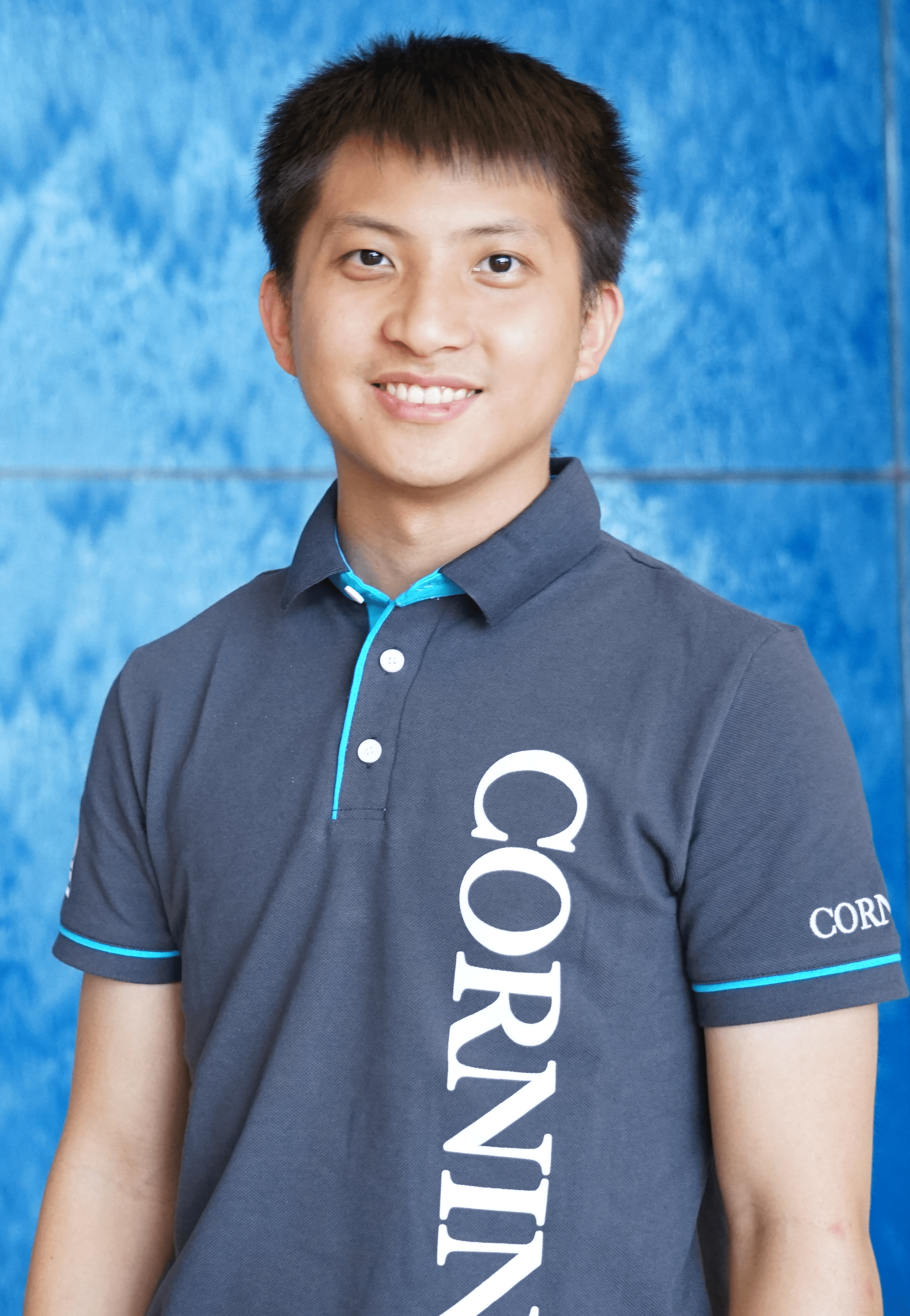
NameTa-Wei Yeh
ProfileDoctoral of Philosophy
Emailtwy359.at.tamu.edu
I am currently a Ph.D. student in Electrical and Computer Engineering at Texas A&M University. I earned my master’s degree from Cornell University in Electrical and Computer Engineering.
I have eight projects implemented in Linux with various software programming languages like C++, C#, MATLAB, Python, and ROS. My work includes software architecture design and spans hardware to software, hands-on builds to algorithm design, including SLAM and PID. One project used computer vision for balloon tracking; another coordinated numerous sensors and mapping abilities so a robot could explore an unknown maze.
All my projects were solved and achieved through teamwork. I am an excellent team player — I was the vice president of my Electrical Engineering Student Association and a leader on my undergraduate final project.
Research on AI acceleration for neural networks and real-time operating systems, advised by Professor Jan-Jan Wu. Aimed to accelerate particle-filter visual localization using TensorFlow (software) and Google Edge-TPU (hardware). Updated a CNN for higher image-resolution input, more efficient localization convergence, and better localization accuracy.
2019 summer intern at Corning Incorporated. Responsible for modern process control integrating two motion controllers — synchronized an XYZ machine and a six-degree-of-freedom robotic arm and communicated in less time than the legacy system. Finished assignments on time and even caught up on a previously delayed schedule; works well under pressure and with teams.
Researcher on the Human-Robot Swarm project, advised by Kirstin Petersen. Added three software features to the rover. Documented rover components and software instructions for future rovers, speeding up the project process ahead of the upcoming paper submission.
Doctor of Philosophy, Electrical and Computer Engineering
Master of Engineering, Electrical and Computer Engineering
Bachelor of Technology, Electrical Engineering
Various projects spanning robotics, controls, and hands-on hardware design.
Designed an Android application that connects to an Artemis Nano over Bluetooth (UART). The Artemis Nano acts as a server, passively waiting for Android clients to connect. The app sends messages over the UART service, including text, gyroscope readings, and two virtual-joystick readings.
See project →
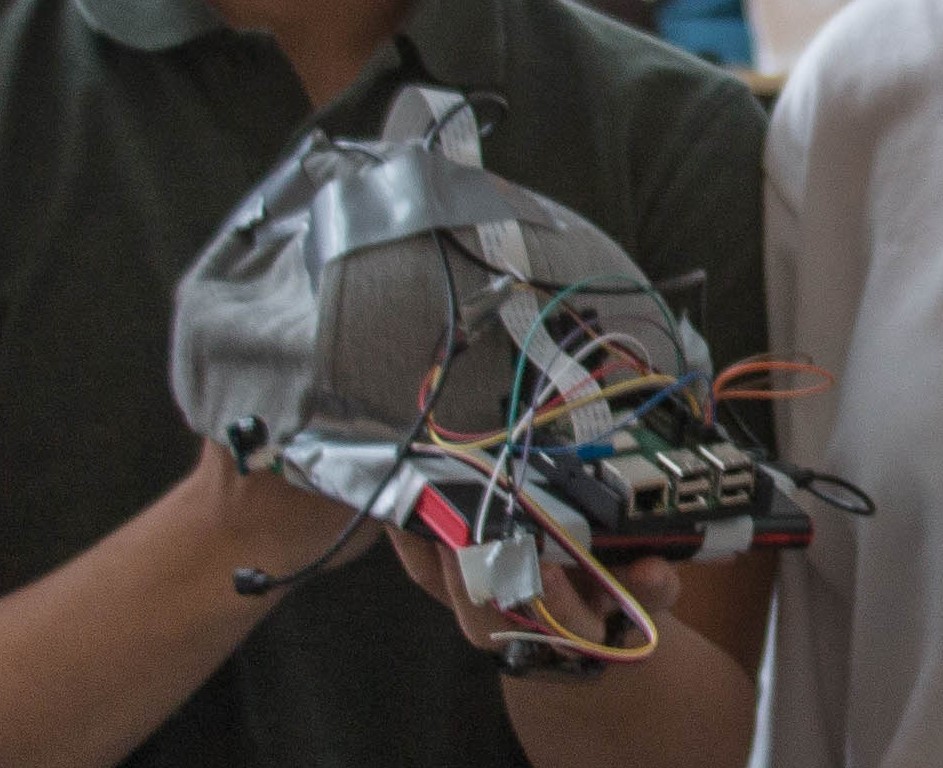
Awarded 2nd place among 20 teams. In one day, built a smart cap providing 360° blind-spot danger detection with physical alerts — an LED and buzzer activate when danger is nearby. Contributed as a software and hardware engineer, devising the software architecture and wiring the electrical components.
See project →
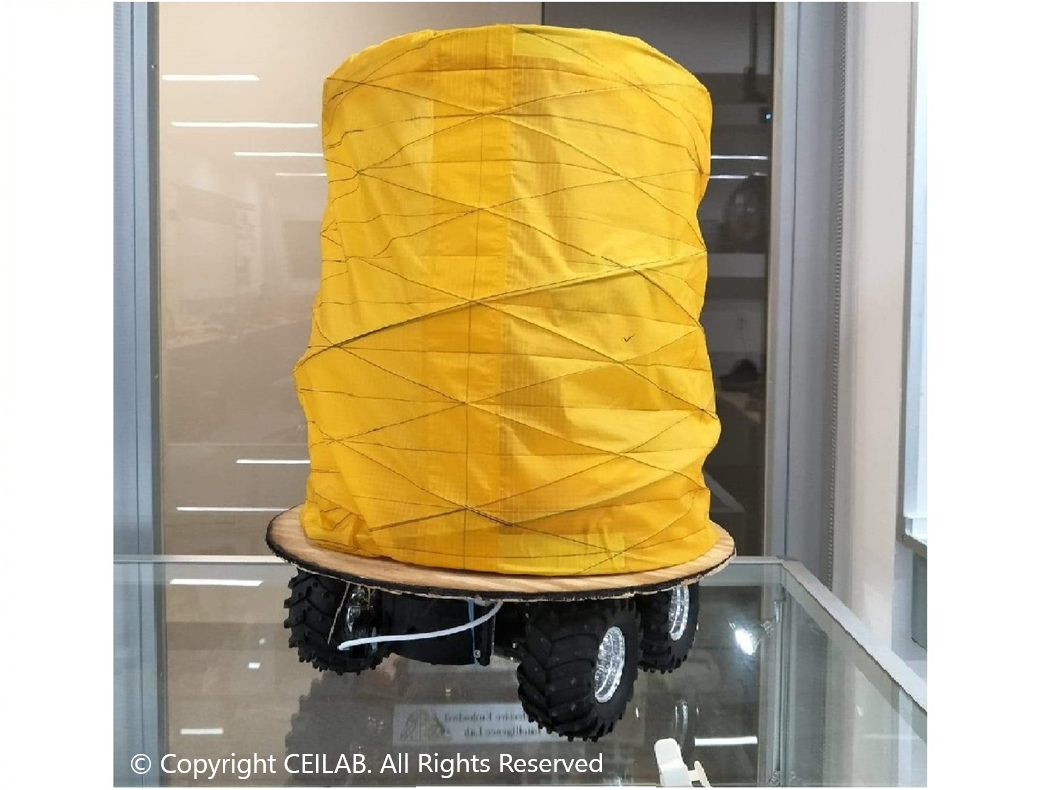
Guided by Professor Kirstin Petersen. Many researchers envision situations where a group of non-expert humans must collaborate with robots, forming an ad-hoc human-robot swarm to accomplish a global, high-level task. This Master of Engineering project built the first and second generation of rovers for the four-year project.
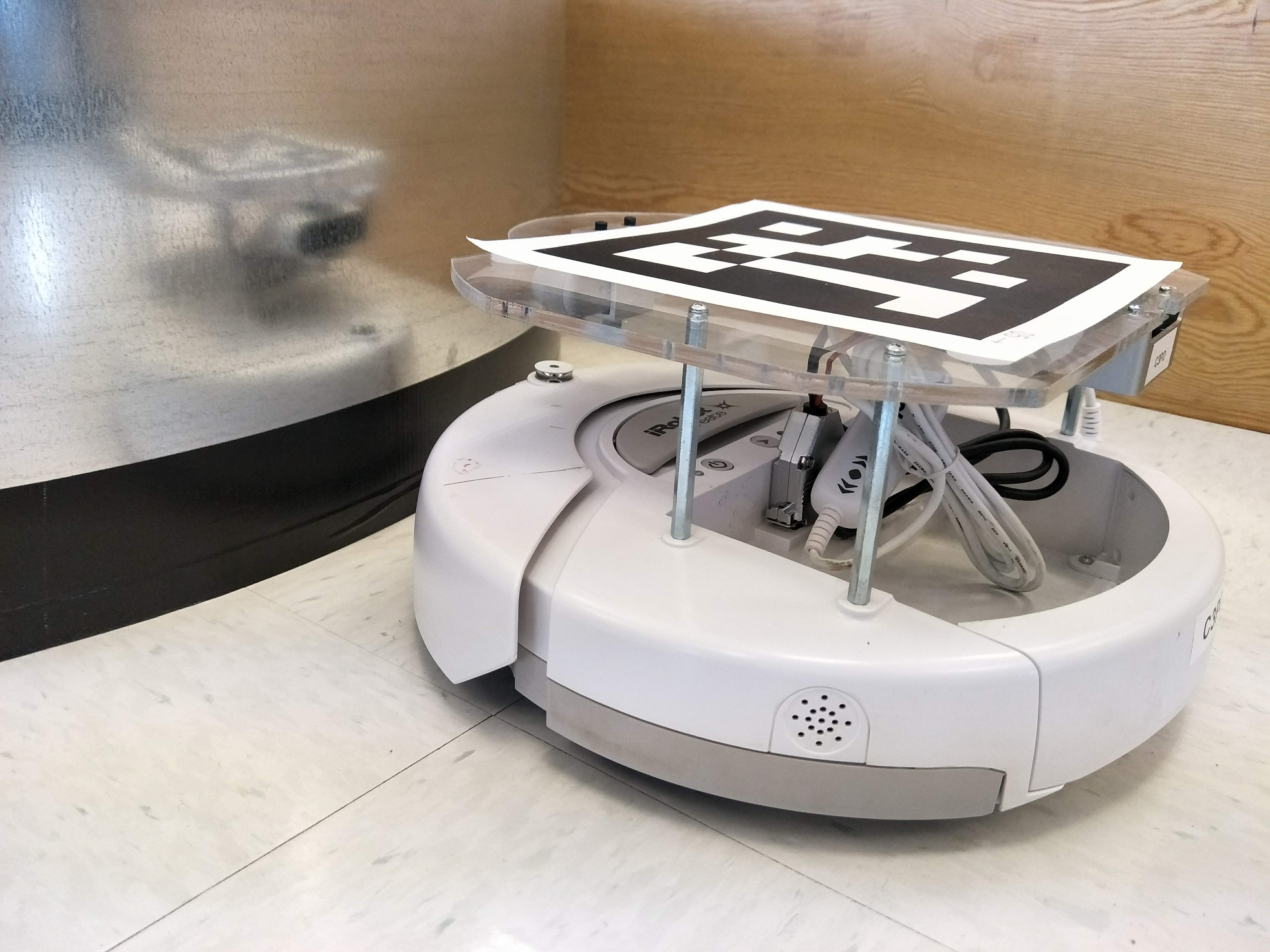
Implemented Simultaneous Localization and Mapping (SLAM) on a two-wheeled iRobot Roomba. Designed algorithms including bi-directional RRT for path planning, particle-filter localization, and FastSLAM. In the final competition, reached waypoints using only a depth camera for localization.
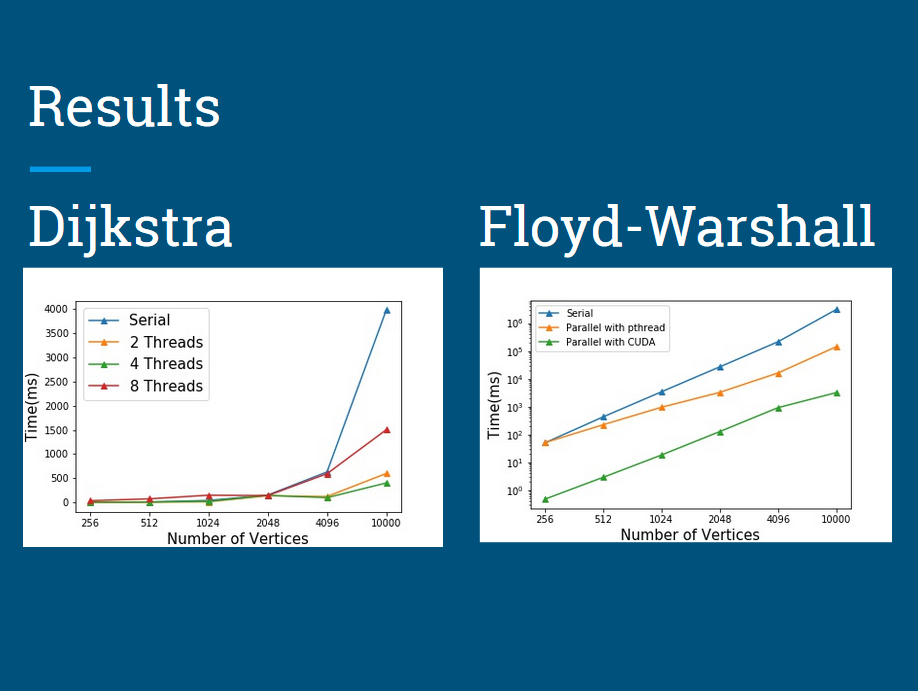
Implemented parallel computing for the Floyd-Warshall and Dijkstra shortest-path algorithms using parallel tools (Pthreads, CUDA) alongside a serial baseline. Concluded that CUDA achieved up to a 50x speed-up over serial computing.
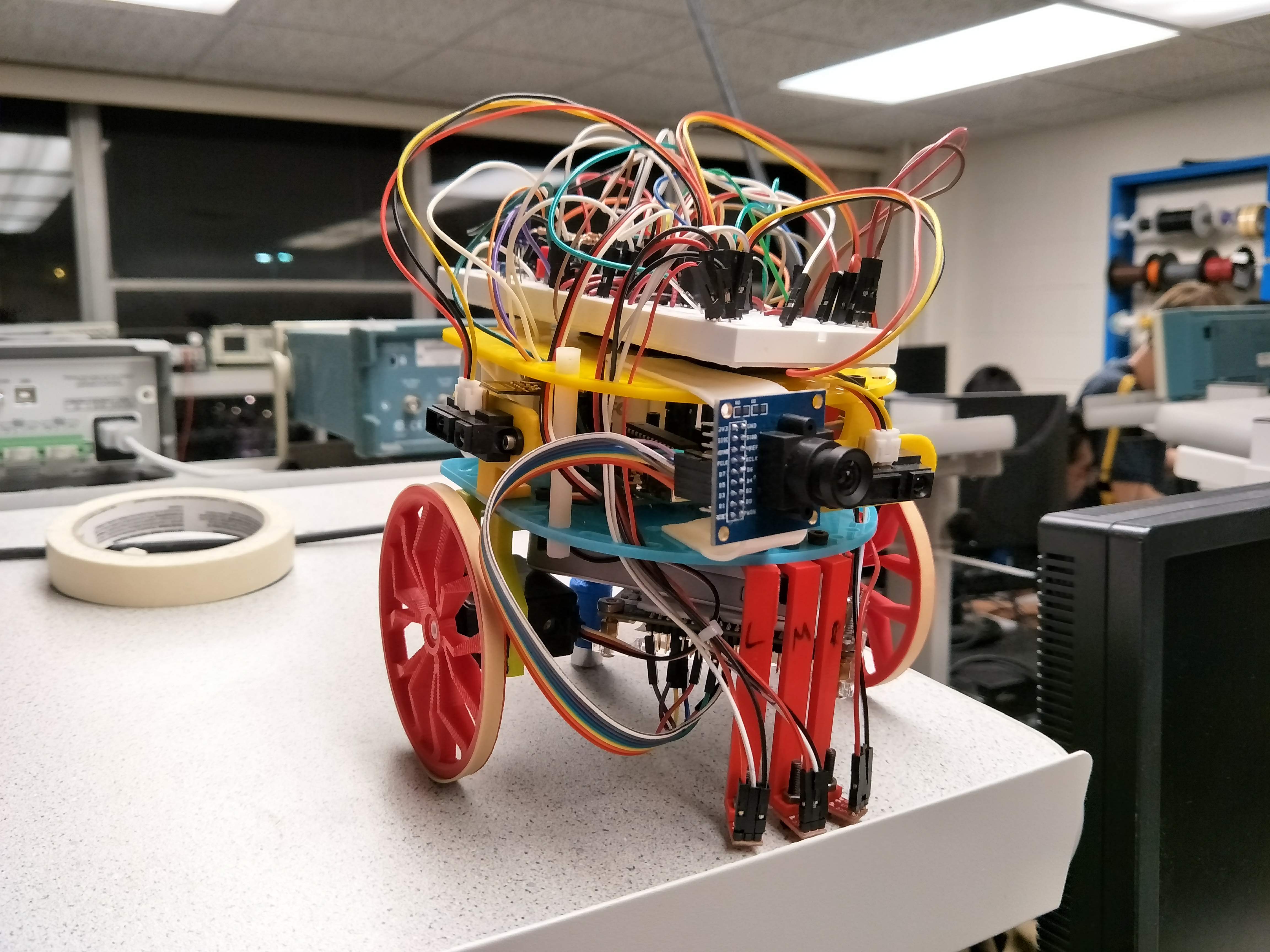
Designed a multi-task autonomous robot featuring line following, wall detection, audio detection, visual treasure detection, collision avoidance, and maze mapping to explore an unknown maze. Implemented computer vision in Verilog for shape detection (80% success rate) using an OV7670 camera.
See project →
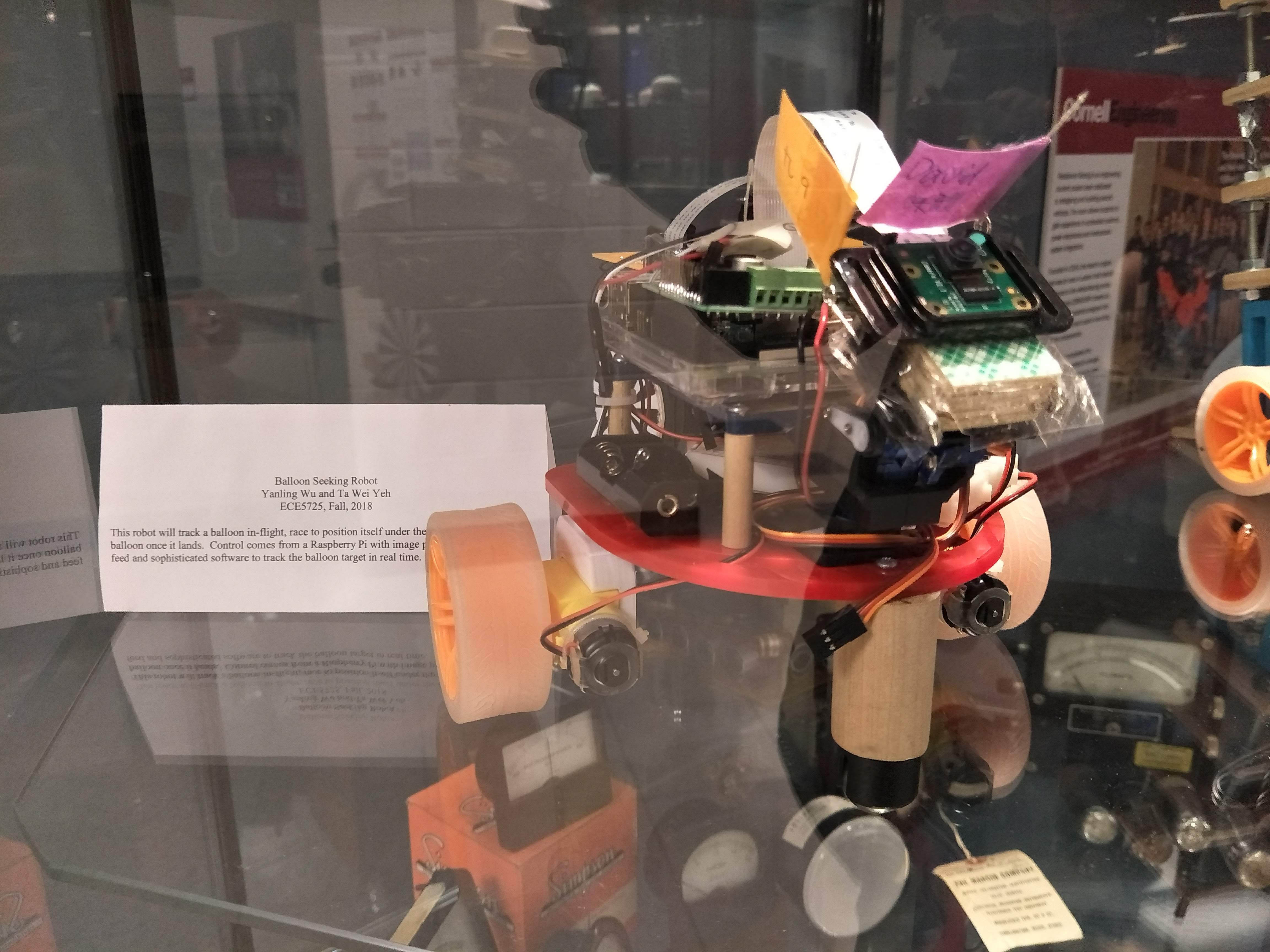
Designed an autonomous ball-tracking vehicle equipped with a Raspberry Pi and camera. Used multiprocessing to handle image processing and motor control with an order-of-magnitude improvement, achieving PID control on the motors with ball position fed back from the camera.
See project →
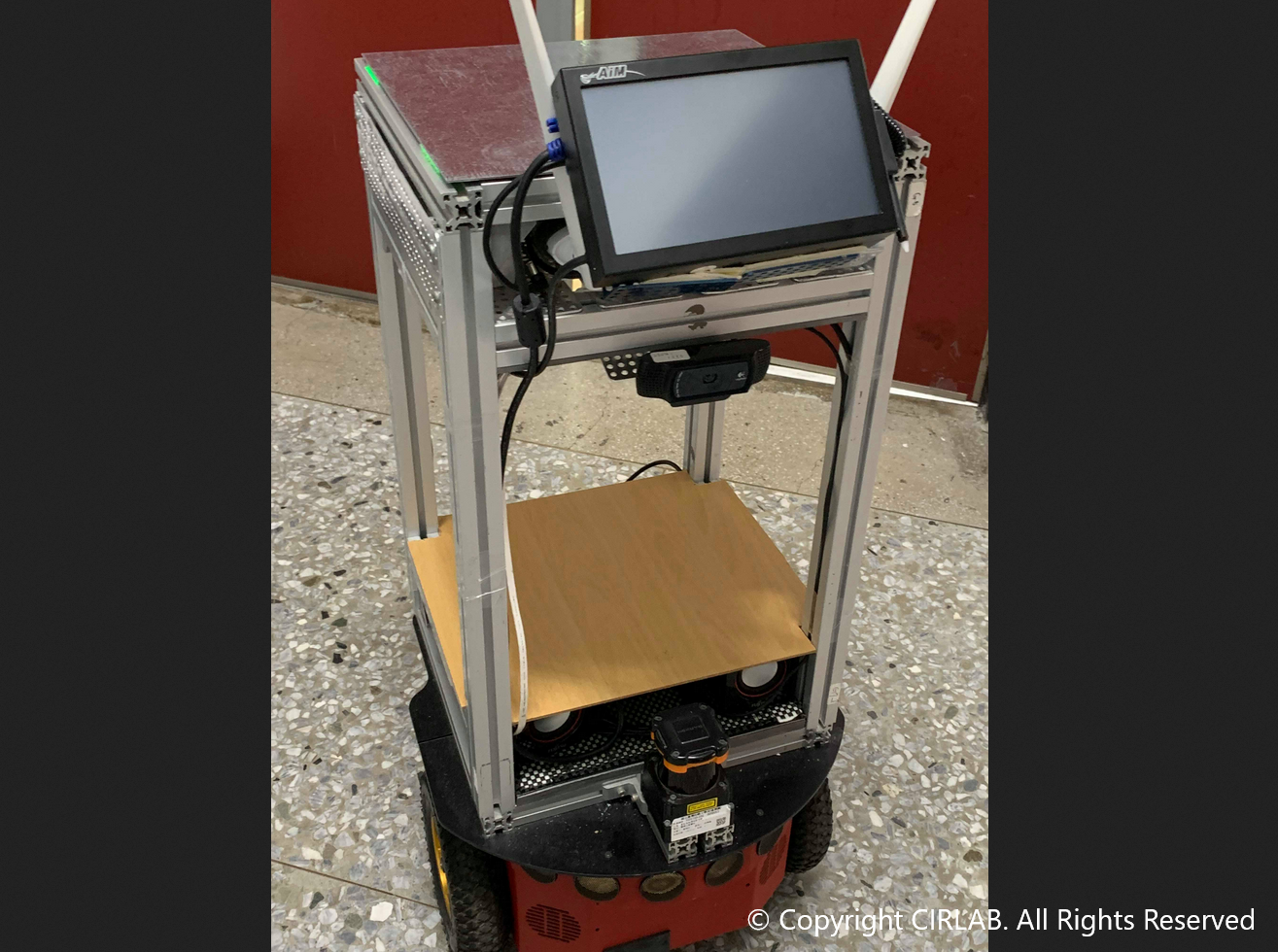
Constructed an auto-guided vehicle to deliver meals and documents to employees at Yulon Motor, Taiwan. Integrated the A* algorithm, fuzzy control, and AMCL for trajectory planning.
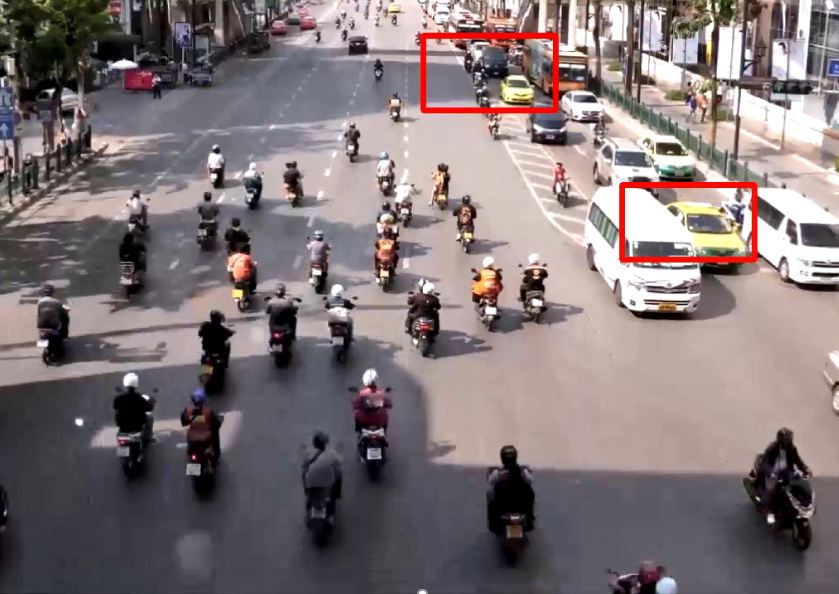
Pattern recognition for automated vehicles to detect the nearby presence of specific cars. Applied thresholding, dilation, erosion, segmentation, and tracking algorithms.
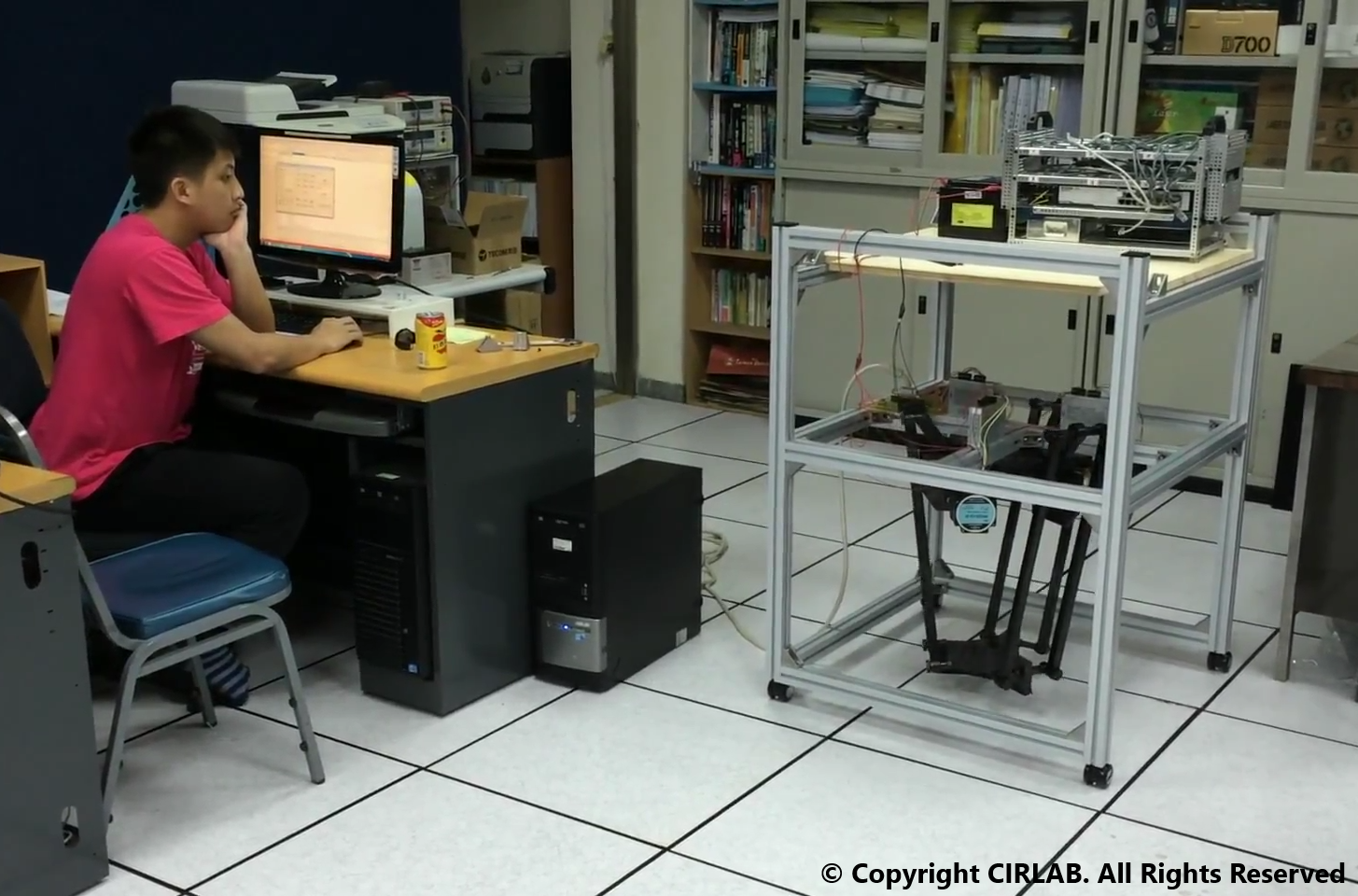
Built a delta robot that walks by lifting itself upward and moving its stationary base forward. Programmed a GUI in C# and calculated the delta robot's kinematics and torque. Won 3rd place in the first MechaHeroesTaiwan competition on Dec. 23, 2016, competing among 25 teams.
See project →Four robotics projects required Linux on Ubuntu or Raspbian. Also completed a shell-scripting course on Udemy for project work and personal learning.
Cornell brought numerous projects and coursework every semester — up to seven involving robotics. Topics include SLAM (Simultaneous Localization and Mapping), serial/parallel robotic arms, and hands-on two-wheeled robots.
Fascinated by space and galaxies, I enjoy capturing the Milky Way at night, as well as photos from my travels. See the blog for more.
Making humans' lives more efficient and effortless is part of engineering's responsibility, and robotics is one of the technologies leading there. Cornell ECE 4770 (Foundations of Robotics) and MAE 5180 (Autonomous Mobile Robots) deepened this knowledge, alongside other robotics projects.
Open to a variety of sports — basketball, golf, skiing, and more. Tried scuba-diving and SUP at Cayuga Lake, and sky-diving is next. Feel free to share your own story.
Most projects involved three or more people, requiring cooperation, communication, and negotiation with every teammate. Serving as a club vice president in undergrad taught how to lead a team toward a shared goal.
The world becomes better when people are connected — feel free to reach out.
Let's connect on social media.